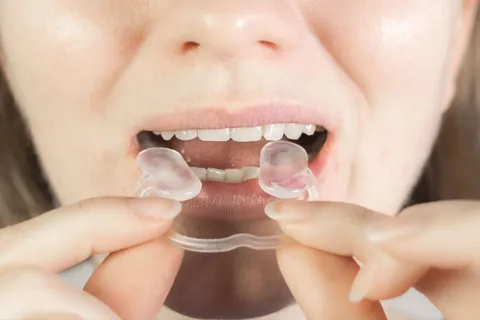
What is TMJ/TMD?

What is TMJ/TMD?

What is TMJ/TMD?

Relief Starts with Understanding – TMJ/TMD Explained by North York’s Trusted Orthodontic Team

Have you ever noticed a clicking sound when you chew, felt stiffness in your jaw, or experienced unexplained headaches or ear pain? These may be signs of a temporomandibular joint disorder, commonly known as TMJ or TMD. At IKC Orthodontics in North York, we specialize in helping patients understand and find relief from these often confusing and painful conditions.

Call (416) 787-9060 to schedule an appointment
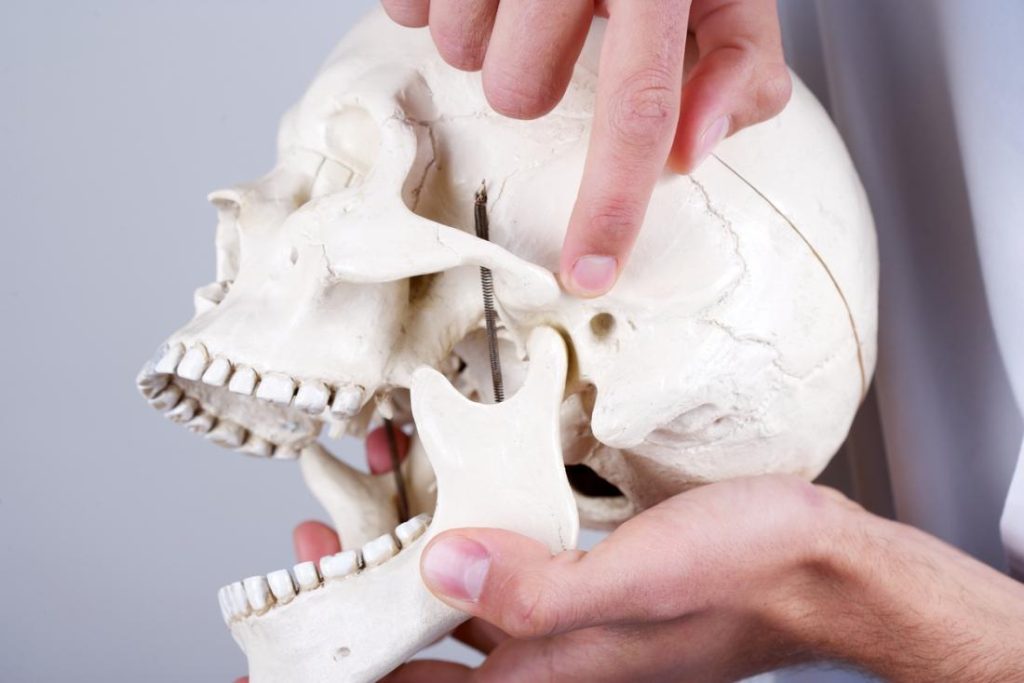
What Is the Temporomandibular Joint (TMJ)?

The temporomandibular joint (TMJ) is one of the most complex and unique joints in the human body. It connects your lower jaw (mandible) to the skull, located just in front of each ear. What makes this joint particularly interesting and delicate is that you have two TM joints, and they must work in perfect harmony for everyday functions like speaking, chewing, yawning, and swallowing.
Unlike other joints in the body, the TMJs are connected by a single bone—the mandible—so movement in one joint directly affects the other. This structural relationship is one reason why TMJ disorders can cause such widespread symptoms, sometimes even affecting areas far from the jaw itself.

What Does TMD (Temporomandibular Disorder) Mean?

TMD (temporomandibular disorder) refers to any condition that impairs the normal function of the TMJ. While some people refer to “TMJ” to describe the condition, TMD is the accurate term for the disorder affecting the joint, surrounding muscles, or both.

At IKC Orthodontics, we take a holistic approach to understanding and treating TMD, because this condition is more than just a sore jaw. It often involves muscle tension, joint misalignment, disc displacement, and other dental or skeletal imbalances.

Signs and Symptoms of TMJ/TMD

TMD symptoms vary widely from person to person, and they may come and go or become progressively worse without treatment. Common signs include:
  • Jaw pain or tenderness
  • Clicking, popping, or grating sounds when opening or closing your mouth
  • Stiffness or limited jaw movement
  • Pain while chewing or talking
  • Headaches or migraines
  • Facial pain or pressure around the temples
  • Earaches, tinnitus (ringing in the ears), or a feeling of ear fullness
  • Neck, shoulder, or back pain
  • Dizziness or balance issues
  • Tooth wear from clenching or grinding (bruxism)
If you’re experiencing one or more of these symptoms, it may be time to consult a TMJ specialist in North York.

What Causes TMJ Disorders?

There’s no single cause of TMD—it’s often a combination of factors. Some of the most common include:

Misaligned Bite or Jaw

If your teeth don’t align properly, your jaw joints must compensate. Over time, this imbalance can strain the muscles and joints, leading to dysfunction.

Teeth Grinding or Clenching (Bruxism)

Many people grind or clench their teeth during sleep or stress. This constant pressure overworks the jaw muscles and compresses the TM joints, often resulting in pain and inflammation.

Joint Disc Displacement

Each TM joint contains a soft disc that cushions movement. If this disc becomes displaced, it can cause clicking, pain, or even locking of the jaw.

Injury or Trauma

A direct injury to the jaw, like a blow to the face, whiplash, or sports-related trauma, can damage the joint and lead to long-term dysfunction.

Inflammatory Conditions

Conditions like arthritis (especially osteoarthritis or rheumatoid arthritis) can affect the TMJs, wearing down cartilage and causing chronic joint pain.

Postural Issues and Muscle Tension

Poor posture, particularly forward head posture (common with device use), can strain the neck and jaw muscles, contributing to TMD.

How TMJ Dysfunction Affects Your Life

TMJ disorders don’t just cause physical discomfort, they can interfere with your daily life. You might avoid certain foods, limit social activities due to jaw pain, or wake up feeling unrested from teeth grinding. Even your posture, mood, and focus can be affected by chronic pain or facial tension.

The good news? TMJ/TMD is highly treatable, and early intervention can prevent long-term damage or worsening symptoms.
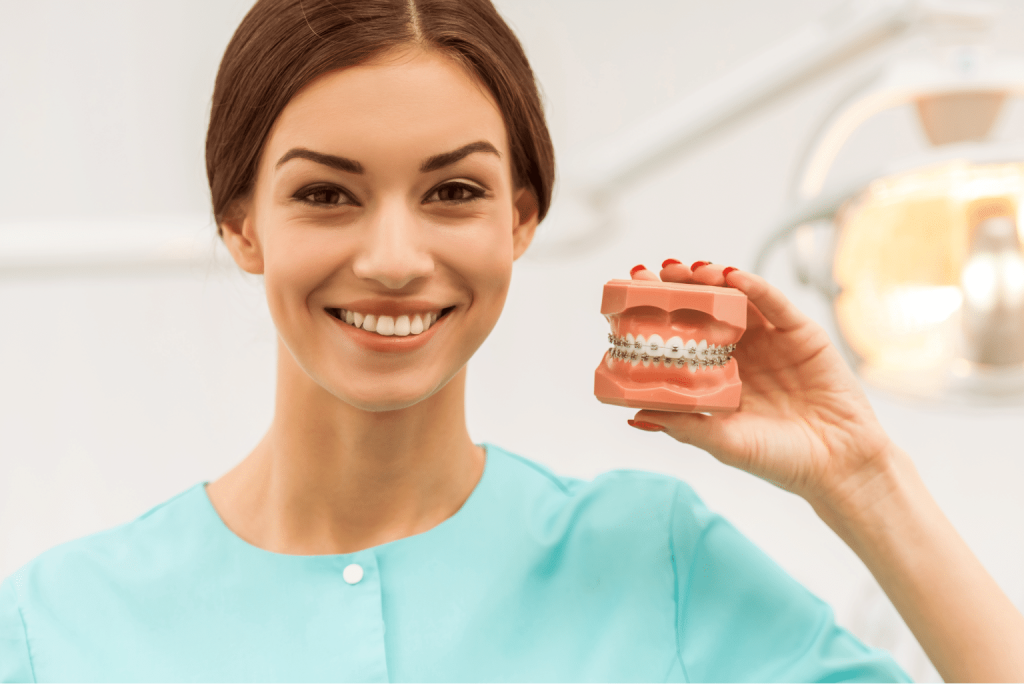
When to See a TTMJ Specialist

You should see a TMJ specialist in North York if you regularly experience jaw pain or stiffness, frequent clicking or popping sounds in the jaw, recurring headaches, unexplained facial pain, difficulty opening or closing your mouth, or have been diagnosed with bruxism. These symptoms may indicate underlying joint dysfunction, and delaying treatment could lead to more serious or chronic conditions.

How We Diagnose and Treat TMJ/TMD at IKC Orthodontics

At IKC Orthodontics, we diagnose and treat TMJ/TMD through a personalized, non-surgical approach. Our process begins with a thorough review of your medical history, a clinical exam of your bite and jaw function, and imaging when necessary (such as 3D cone-beam scans). We assess muscle activity, joint sounds, and jaw movement to form a precise diagnosis. Treatment may include custom orthotic appliances, bite alignment therapy, nightguards for bruxism, muscle exercises, and stress management strategies. In complex cases, we work collaboratively with other healthcare professionals. Every treatment plan is tailored to your unique needs and goals for lasting relief.

Frequently Asked Questions

What is TMJ, and how is it different from TMD?
TMJ stands for the temporomandibular joint, which connects your jaw to your skull. TMD refers to temporomandibular disorders, a group of conditions that affect the function of this joint and the surrounding muscles. People often use “TMJ” when they mean TMD.
Common TMD symptoms include jaw pain, clicking or popping sounds, headaches, earaches, facial tension, limited jaw movement, and even neck or shoulder pain. If you experience any of these signs, it’s important to consult a TMJ specialist in North York.
TMJ disorders can be caused by bite misalignment, teeth grinding (bruxism), jaw injury, stress, arthritis, or disc displacement within the joint. A thorough evaluation is necessary to identify the specific cause and recommend effective treatment.
Some mild cases of TMD may improve over time with rest and stress management. However, persistent symptoms require professional care to prevent worsening joint damage. IKC Orthodontics in North York offers custom TMJ treatment plans for lasting relief.
We use a comprehensive diagnostic approach that includes a detailed health history, bite and jaw exam, and imaging (such as 3D cone-beam scans) when needed. This helps us accurately assess joint alignment, muscle function, and disc position.
Our non-surgical TMJ treatments include custom orthotic appliances, bite therapy, nightguards, muscle exercises, and stress management. We also collaborate with other healthcare providers when needed to ensure holistic care for each patient.

Why Choose IKC Orthodontics in North York

Dr. Iris Kivity-Chandler and her team bring decades of experience in orthodontics and craniofacial pain therapy. We understand how TMJ dysfunction affects more than just your mouth—it impacts your entire well-being. That’s why we take the time to listen, educate, and personalize every step of your care.
Our clinic proudly serves patients throughout North York, Toronto, and the surrounding communities. Whether you’re a teen, adult, or concerned parent, we’re here to help you find long-lasting relief from TMJ pain.

Call (416) 787-9060 to schedule an appointment