Orthognathic Surgery

Orthognathic Surgery (Jaw Surgery)

Orthodontic treatment is often enough to align teeth and improve bite function. However, in cases where jaw misalignment is too severe for braces or Invisalign alone, orthognathic surgery, also known as corrective jaw surgery, may be recommended. At IKC Orthodontics in North York, we work closely with oral and maxillofacial surgeons to coordinate advanced treatment plans for patients who require surgical correction to achieve proper function, facial balance, and long-term oral health.

Led by Dr. Iris Kivity-Chandler, our practice has years of experience supporting patients across North York and Toronto with comprehensive orthodontic care, including pre- and post-surgical support for jaw correction procedures. If you’ve been told that your bite cannot be corrected with braces alone, orthognathic surgery may offer a long-term solution for comfort, appearance, and quality of life.
Call (416)-787-9060 to schedule an appointment

What Is Orthognathic Surgery?

Orthognathic surgery is a specialized procedure performed by an oral and maxillofacial surgeon to correct significant misalignments between the upper and lower jaws. These skeletal discrepancies can affect a person’s ability to bite, chew, speak, and breathe properly. In many cases, they also contribute to facial imbalance or asymmetry.

Common conditions that may require orthognathic surgery include:
  • Severe overbite or underbite
  • Open bite (space between the upper and lower teeth when the mouth is closed)
  • Receding or protruding jaw
  • Facial asymmetry or disproportion
  • Sleep apnea caused by jaw position
  • Difficulty chewing, biting, or swallowing
  • Chronic jaw pain or temporomandibular joint (TMJ) issues
Patients in North York and Toronto who experience these concerns often benefit from a combination of orthodontics and surgical correction to restore harmony between the jaws and teeth.

How Orthognathic Surgery Works

Orthognathic surgery is carefully planned in phases. The process begins with a comprehensive orthodontic evaluation to determine whether your concerns stem from jaw misalignment. At IKC Orthodontics, Dr. Kivity-Chandler conducts a full clinical and radiographic assessment to evaluate your bite, facial structure, and treatment goals.
If jaw surgery is indicated, here’s how the typical process unfolds:

Phase 1: Pre-Surgical Orthodontics

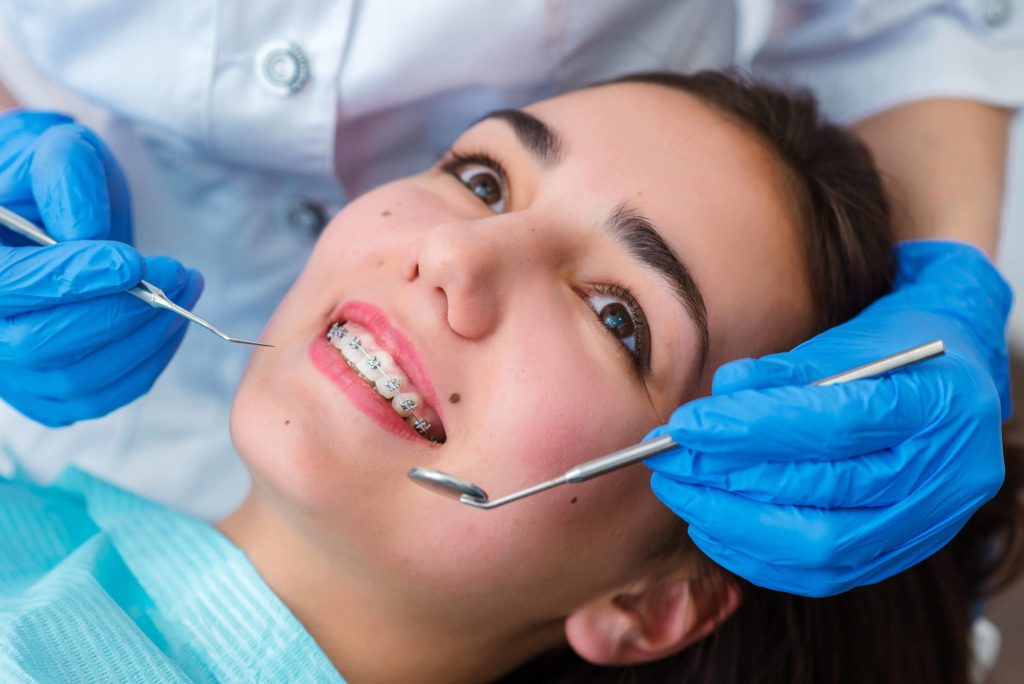
Before surgery, patients typically wear braces in North York or Invisalign in Toronto for 12–18 months to align the teeth and prepare the bite for surgery. This step is crucial to ensure the upper and lower arches fit together correctly once the jaws are repositioned.

Phase 2: Surgical Correction

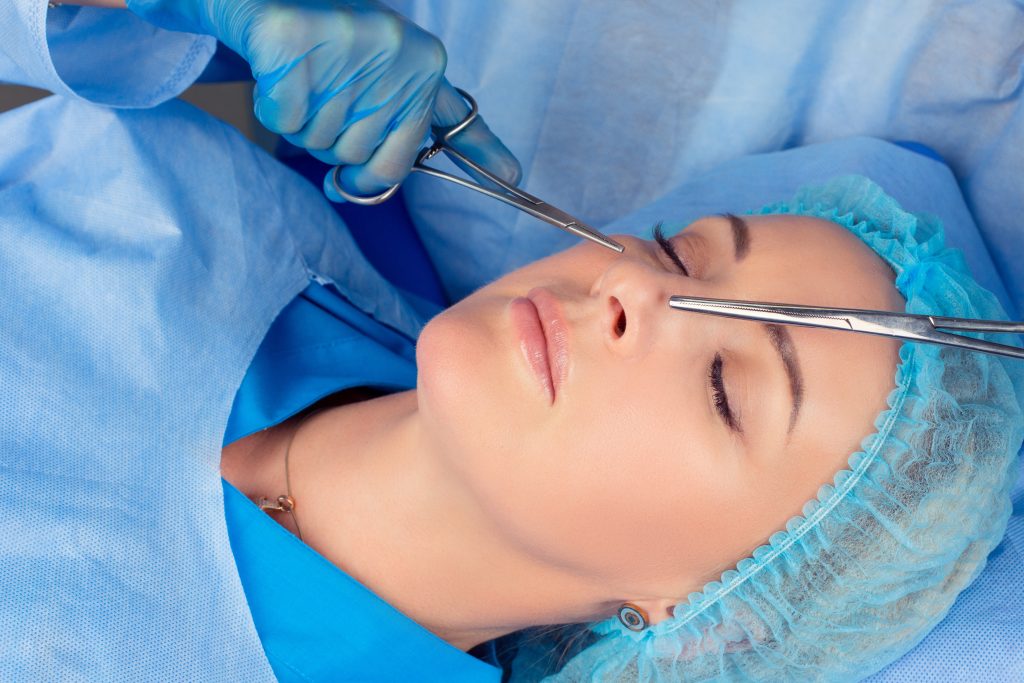
Jaw surgery is performed by a skilled oral and maxillofacial surgeon in a hospital or surgical facility under general anaesthesia. Depending on your needs, the surgeon may operate on the upper jaw (maxilla), lower jaw (mandible), chin (genioplasty), or a combination of areas. Surgical techniques may involve:
  • Repositioning the jawbones
  • Removing or adding bone to improve alignment
  • Securing the bones with plates and screws
The procedure typically requires an overnight hospital stay, and most patients return to school or work within two to three weeks.

Phase 1: Post-Surgical Orthodontics

After the surgical site heals, you’ll continue wearing braces or aligners for several months to fine-tune your bite and ensure a stable, functional result. Dr. Kivity-Chandler will guide you through this process, monitor your progress, and make any necessary adjustments.

Benefits of Jaw Surgery

For qualifying patients, orthognathic surgery offers numerous functional and aesthetic advantages. These include:
  • Improved bite function and chewing ability
  • Better jaw alignment and relief from TMJ discomfort
  • Enhanced facial symmetry and balance
  • Easier breathing, particularly for patients with sleep apnoea
  • Clearer speech and improved oral function
  • Long-term stability that is not achievable with orthodontics alone
Patients in North York and Toronto who undergo jaw surgery often report increased confidence, improved quality of life, and long-lasting results.
Orthognathic Surgery

Who Is a Candidate for Orthognathic Surgery?

Jaw surgery is not necessary for every patient with a bite issue, but it is often the best solution for those whose concerns involve skeletal misalignment. At IKC Orthodontics in North York, we refer patients for orthognathic surgery when:
  • The jaw discrepancy affects both appearance and function
  • Non-surgical orthodontic treatment alone is insufficient
  • There is significant bite difficulty (open bite, deep bite, crossbite, etc.)
  • Jaw growth has completed (typically around age 16–18)
Dr. Kivity-Chandler will thoroughly discuss all treatment options and refer you to a trusted oral surgeon in the Toronto or North York area if surgery is appropriate.

Coordinated Care for North York & Toronto Patients

At IKC Orthodontics, we take a collaborative approach to orthognathic treatment. Dr. Kivity-Chandler works closely with your oral surgeon to ensure a seamless treatment plan that accounts for your needs before, during, and after surgery.
From the first consultation to the final orthodontic adjustments, our team in North York ensures you receive compassionate care, clear communication, and step-by-step guidance. We also provide detailed instructions on oral hygiene, post-op recovery, and diet to support a smooth healing process.

Life After Jaw Surgery: What to Expect

Recovery from orthognathic surgery varies depending on the complexity of the case, but most patients return to normal activities within a few weeks. Swelling and minor discomfort are common initially, and a soft food diet may be required for a while.
We recommend:
  • Keeping your head elevated during the first few days
  • Applying cold compresses to reduce swelling
  • Following all post-operative guidelines provided by your surgeon
  • Attending regular follow-up appointments at IKC Orthodontics for bite adjustments
As healing progresses, you’ll begin to notice improvements not only in your smile but in how your jaw functions and feels daily.

Frequently Asked Questions

Is jaw surgery painful?
While you may experience some discomfort and swelling after surgery, most patients report manageable pain. Your oral surgeon will prescribe appropriate medication and recovery instructions to keep you comfortable.
Initial recovery takes about two to three weeks, though complete healing and final results may take several months. Braces may be worn for a few more months after surgery to finalize alignment.
Yes, many patients notice an improvement in facial symmetry and profile after jaw repositioning. These changes are typically subtle and natural-looking.
You’ll start with a soft or liquid diet and gradually return to normal foods as healing progresses. Our team will guide you through safe food choices during each recovery stage.
We do not discuss pricing or coverage specifics online, as each case varies. For details, we recommend speaking directly with your insurance provider or oral surgeon.
symptoms. A thorough evaluation is needed to determine if surgery would help your specific case.
Orthodontics focuses on aligning teeth, while orthognathic surgery corrects skeletal jaw misalignment. Many patients require a combination of both for complete functional and aesthetic correction.

Begin Your Orthognathic Journey with IKC Orthodontics

If you’ve been told your bite or jaw cannot be corrected with braces alone, or if you’ve struggled with chronic jaw discomfort, facial imbalance, or breathing concerns, orthognathic surgery in North York may be the right solution. At IKC Orthodontics, Dr. Iris Kivity-Chandler and her team are here to help you explore all options and guide you through a customized treatment plan that aligns your teeth, your jaw, and your confidence.
Call (416)-787-9060 to schedule an appointment